In an increasingly globalized world, accurate and trustworthy translation services are vital, especially for legally binding or official documents. When it comes to the French language in South Africa’s administrative heart, Pretoria, you need specialists who master French and English and hold formal certification. This guide will walk you through everything you need to know about French Certified Translators in Pretoria: Qualifications, Credentials & Trust Factors, ensuring your documents are handled with the utmost professionalism and precision.
Finding the right translator goes beyond fluency. Certified translators have undergone rigorous testing, adhere to international standards, and often belong to professional bodies. In Pretoria, the demand for certified French translation spans legal contracts, academic transcripts, medical records, and business documents. Understanding these qualifications and the trust factors at play helps you make a confident choice. Whether you require a sworn translation for court submission or a certified copy for visa applications, knowing what sets a certified professional apart will safeguard your interests.
If a visa office, university or embassy asks for a signed statement of accuracy, see our certified translation service.
Key Qualifications for Certified French Translators
Certified translators typically hold a bachelor’s or master’s degree in translation studies or a related field. They often pass nationally or internationally recognized exams, such as those from the South African Translators’ Institute (SATI) or the International Federation of Translators (FIT). Beyond academic credentials, certified professionals maintain ongoing continuing professional development (CPD) to stay current with linguistic trends and legal requirements. Look for translators with proof of accreditation and documented experience in your specific document type.
Recognized Translator Associations in South Africa
Professional membership enhances credibility. In South Africa, the South African Translators’ Institute (SATI) is the leading professional body, offering certification, ethics guidelines, and a directory of approved translators. Additionally, many Pretoria-based experts hold affiliations with international organizations like the Chartered Institute of Linguists (CIOL) or the American Translators Association (ATA). These memberships signal adherence to quality and confidentiality standards, giving clients further peace of mind.
Sworn vs Certified French Translation
While often used interchangeably, “sworn” and “certified” translations can differ. A sworn translator has legal authorization, often through a court or governmental body, to append an official seal and signature, making the document legally binding. Certified translators provide a signed statement attesting to the accuracy and completeness of the translation, which many government agencies and courts also accept. In Pretoria, both services are available; ensure you request the correct level of legal standing based on your document’s end use (sworn translation services in Pretoria).
How to Verify a Translator’s Credentials
Due diligence is key. Always ask for a copy of the translator’s certification or accreditation card. Verify membership via the issuing body’s online directory (e.g., SATI’s member search). You can also request sample work or client references. Agencies like Premiumlingua often list their team’s qualifications on their website, review these profiles to confirm relevant experience.
Essential Trust Factors When Choosing a Translator
Trust isn’t built on credentials alone. Look for proven experience in your document’s domain: legal, medical, technical, etc., and check for client testimonials. Transparent pricing, clear turnaround timelines, and a robust confidentiality policy are equally crucial. A reliable translator or agency will offer a written confidentiality agreement and carry professional indemnity insurance for added protection.
Standards and Best Practices in Certification
Certified translators in Pretoria follow international standards such as ISO 17100 for translation services. This ensures they have documented processes for quality assurance, project management, and file handling. When you engage a certified professional, you benefit from multi-stage reviews, glossary creation, and consistency checks, all contributing to a polished, accurate final product.
Common Document Types for Certification
Certified translations cover a broad spectrum:
- Birth, marriage, and death certificates
- Academic transcripts and diplomas
- Legal contracts and affidavits
- Medical records and prescriptions
- Technical manuals and patents
Each category carries unique terminology and formatting standards; certified translators specialize according to document type.
Legal Translation: Why Certification Matters
Legal texts demand absolute precision. A single mistranslation in a contract clause could have dire consequences. Certified legal translators understand both legal systems, South African and French, and ensure your translated document holds up in court or with regulatory bodies (French legal translation services in Pretoria).
Certified Translators for Medical and Technical Texts
Medical and technical translations require subject-matter expertise. Certified translators work closely with industry experts: doctors, engineers, or scientists, to verify terminology. In Pretoria, look for professionals with backgrounds in healthcare or engineering and familiarity with regulatory requirements like the South African Health Products Regulatory Authority (SAHPRA).
Academic Translations and University Requirements
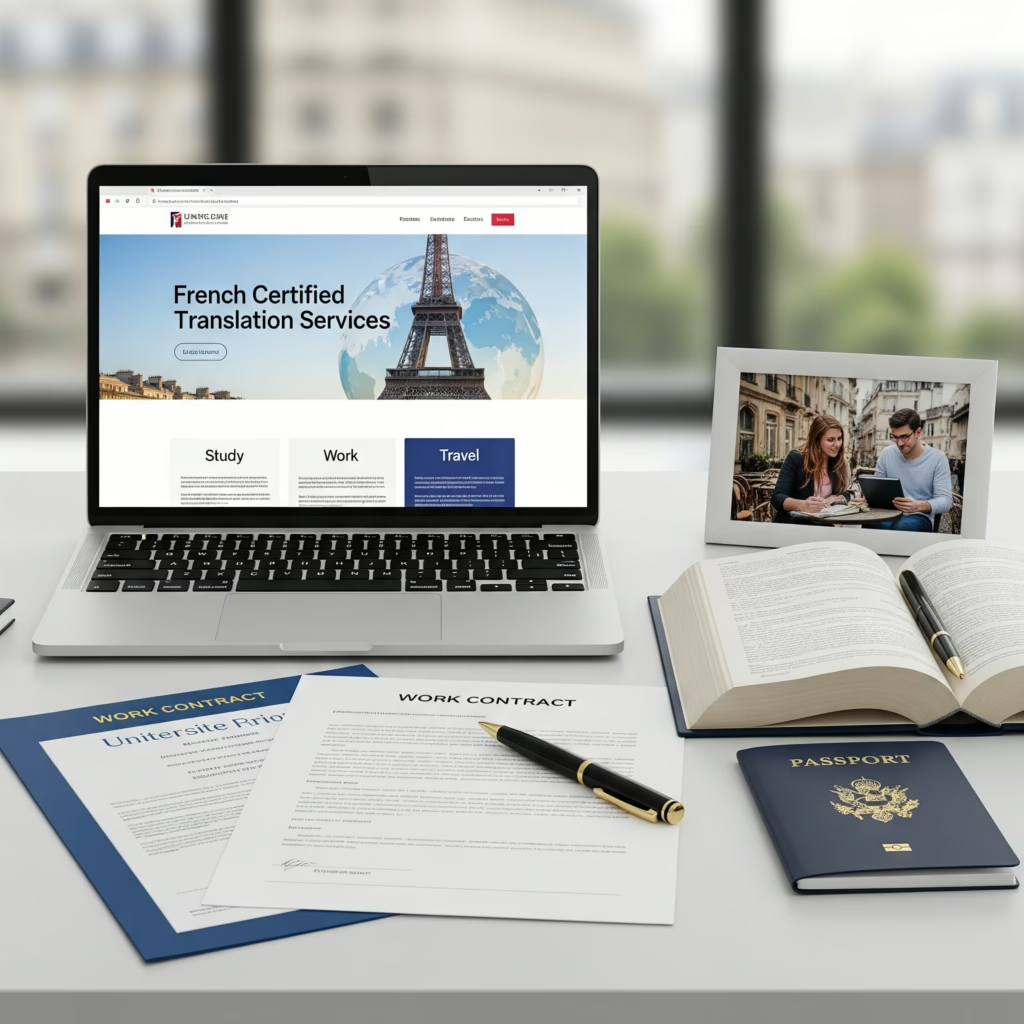
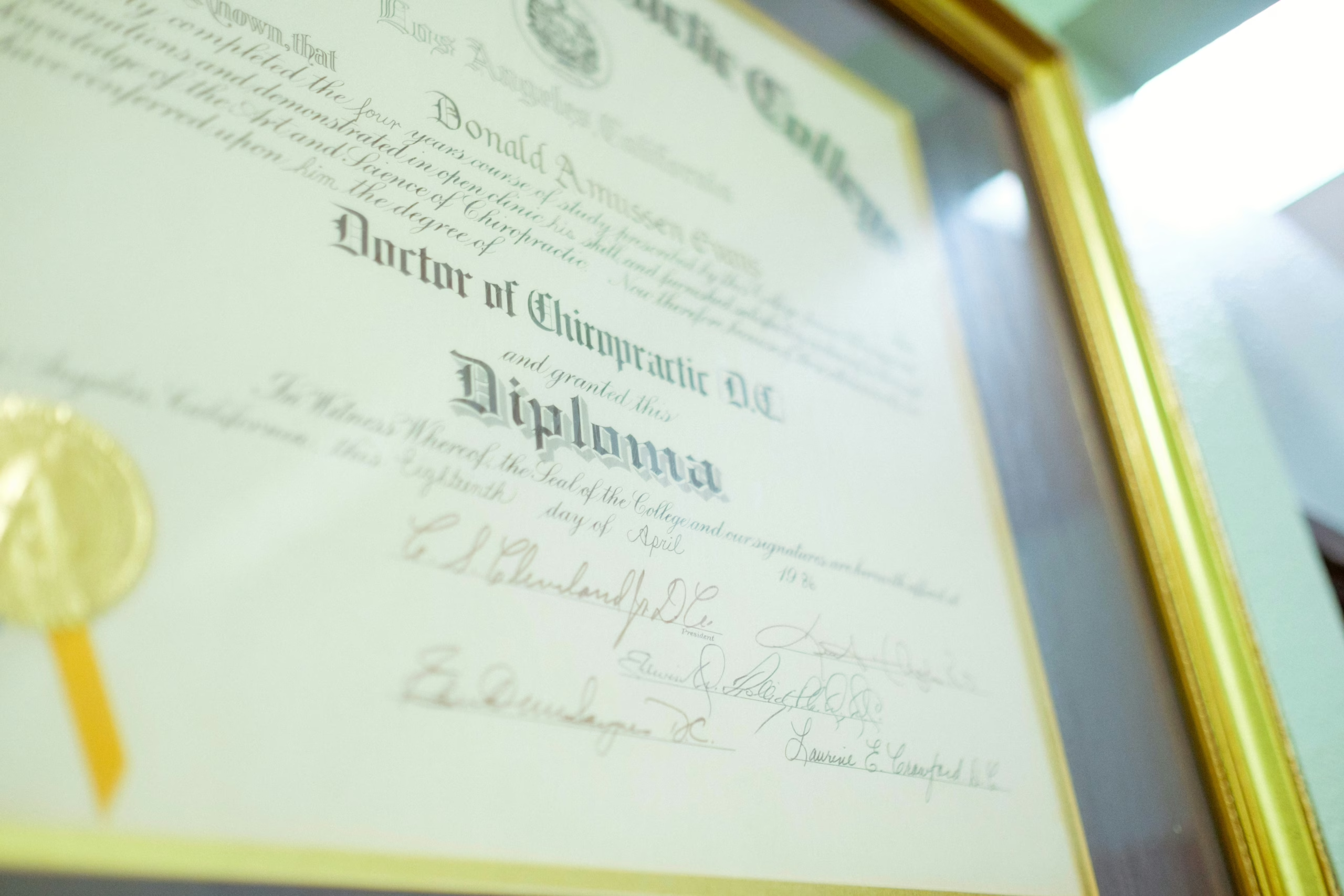
Universities often require certified translations of diplomas and transcripts for admission or credential evaluation. Certified translators ensure your academic records meet institutional standards, including correct terminology for fields of study and proper formatting.
Corporate Translation Needs in Pretoria
Businesses expanding into Francophone markets rely on certified translations for marketing materials, financial reports, and board minutes. Translators with corporate experience understand branding nuances and regulatory compliance, helping companies maintain consistency across languages.
Adapting Content for South African Audiences
Localization goes beyond translation: adapting cultural references, idioms, and formatting (e.g., date and number conventions). Certified translators specializing in localization ensure your content resonates with local audiences without losing its original intent.
English-French Language Combination Nuances
French and English have distinct syntax, formality levels, and regional variants (e.g., European vs. Canadian French). Certified translators in Pretoria navigate these nuances, choosing the appropriate variant for your target audience.
Typical Fee Models for Certified Translation
Pricing is usually per word, per page, or per hour. Certified translations may incur a surcharge for the official stamp. Transparent agencies provide detailed quotes outlining base fees, certification charges, and potential rush fees.
Balancing Speed with Accuracy
Rush services are available but can increase costs. Certified professionals implement expedited workflows, parallel reviews and dedicated project managers, to meet tight deadlines without sacrificing quality.
Data Security and Privacy for Sensitive Documents
Certified translators adhere to strict confidentiality protocols, including encrypted file transfers and secure document disposal. Confirm that your provider follows POPIA (Protection of Personal Information Act) guidelines in South Africa.
Choosing Between Agencies and Independent Translators
Agencies offer project management, multiple quality checks, and a wider talent pool; freelancers may provide lower rates and direct communication. Evaluate your project complexity and budget to decide the best fit.
Building Trust Through Client Feedback
Client testimonials and case studies demonstrate real-world success. Look for detailed feedback on quality, turnaround, and communication, key indicators of reliability.
Accessing Sworn Translation Services Locally
Pretoria hosts several sworn translators authorized by the Department of Justice. Ensure your translator’s seal and signature comply with government standards for documents like birth certificates and affidavits.
Complementary French Interpreting in Pretoria
For meetings, conferences, or court hearings, certified interpreting services ensure live accuracy. Agencies like Premium lingua provide both consecutive and simultaneous interpreting solutions.
Premium lingua’s Certified Translator Profiles
Premium lingua’s French certified translation services in Pretoria feature a curated team with SATI accreditation, legal translation specialisms, and CPD records, offering unmatched expertise for your projects.
Related Services and Further Reading
Explore additional offerings to complement your translation needs:
- French translation services in Pretoria
- French legal translation services in Pretoria
- French sworn translation services in Pretoria
This curated list ensures you have all the resources at your fingertips.
FAQs About French Certified Translation
Can I request revisions after receiving my certified translation?
Yes, reputable providers include a revision window (usually 7-14 days) to address any minor adjustments at no extra cost.
Do certified translations cost more than regular translations?
Yes, certification fees and official seals add to the base translation rate. Expect a 10-30% surcharge for certified services.
What turnaround time should I expect for certified translations?
Standard projects (up to 2,000 words) typically take 2-3 business days; rush options can cut this in half, subject to availability and complexity.
Are sworn translations always required for legal documents?
Most courts and government agencies require sworn translations; however, certified translations are often accepted for administrative and educational purposes.
How can I confirm a translator’s legal authorization?
Verify their membership via SATI’s online directory or request a copy of their sworn translator appointment certificate from the Department of Justice.
What distinguishes a certified translator from a regular translator?
Certified translators hold formal accreditation from recognized bodies and provide a signed statement or official seal attesting to translation accuracy.
Conclusion and How to Engage the Right Service
Choosing a certified French translator in Pretoria involves evaluating qualifications, verifying credentials, and assessing trust factors like client feedback and confidentiality measures. Whether you require legal, medical, academic, or business translation, certified professionals provide the assurance of accuracy and legal acceptance. By following the guidelines above and leveraging trusted providers such as Premium lingua, you can secure flawless translations tailored to your needs.