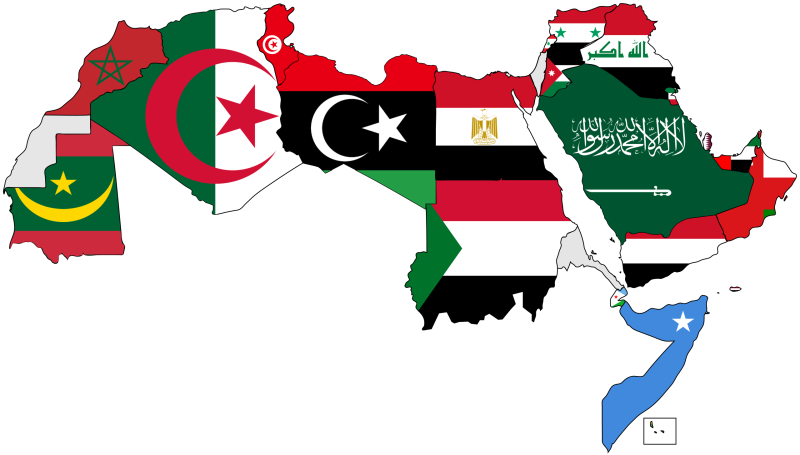
Arabic is more than a language. It’s a living, breathing mosaic of voices echoing across continents. Spoken by more than 400 million people, Arabic is among the richest linguistic systems globally. From the echoes of Quranic verses to the vibrant banter in Cairo’s bustling cafés, the Arabic language is as diverse as the cultures it represents.
This guide is your map on a fascinating journey through the many Arabic dialects, showcasing how this ancient language continues to evolve and resonate in contemporary life.
Introduction to Arabic Dialects
Arabic dialects reflect the vivid cultural and geographical tapestry of the Arab world. Unlike many languages that adhere to a standard form in both written and spoken communication, Arabic thrives on its diversity. This mosaic of dialects tells stories of empires, migrations, trade, and resistance.
So, what makes Arabic so diverse? The answer lies in history. As Islam spread from the Arabian Peninsula across vast territories, Arabic intertwined with local languages, customs, and colonial influences. This led to the development of regional dialects. Each with its unique vocabulary, pronunciation, and expressions.
Classical Arabic: The Sacred Foundation
At the root of all Arabic dialects lies Classical Arabic. It is the language of the Qur’an and remains preserved in religious and legal texts. While not spoken colloquially, it continues to be revered, studied, and used in formal Islamic discourse. Its grammar is rigid, its vocabulary vast, and its elegance unmatched.
What’s astonishing is how this ancient form has retained intelligibility for over 1,400 years, serving as a linguistic bridge across generations and regions.
Modern Standard Arabic (MSA)
Often called Fusha, Modern Standard Arabic is the modern cousin of Classical Arabic. It’s used in news broadcasts, books, government documents, and formal speeches. Children in Arab countries learn MSA in school, making it a unifying force.
Yet, MSA is not typically spoken at home or on the streets. That’s where the real action happens, with dialects. Still, if you master MSA, you’re equipped to read newspapers from Morocco to Iraq.
Colloquial Arabic: Language of Daily Life
Everyday conversations happen not in MSA but in dialects. These colloquial forms are dynamic, expressive, and often unwritten. Dialects evolve rapidly, absorbing slang, technology, and pop culture.
Dialectal Arabic varies so widely that a Moroccan might struggle to understand a Gulf Arabic speaker. Yet, each dialect embodies local history, humor, and values in ways MSA simply can’t capture.
Egyptian Arabic
Thanks to Egypt’s dominant media industry, Egyptian Arabic is arguably the most widely understood dialect. Films, TV shows, and songs have exported this dialect across the Arab world. Its soft rhythm and clear articulation make it approachable for learners and lovable among native speakers.
Levantine Arabic
Spoken in Syria, Lebanon, Jordan, and Palestine, Levantine Arabic is melodious and expressive. It’s the language of popular soap operas, music, and poetry in the region. With moderate pronunciation and shared vocabulary, it bridges several borders.
Interestingly, within Levantine Arabic, subtle distinctions exist. A Palestinian speaker from Jerusalem might sound different from a Syrian in Aleppo.
Gulf or Khaleeji Arabic
From Kuwait to Oman, Gulf Arabic boasts unique pronunciation and a lexicon heavily shaped by Bedouin roots. The dialect preserves archaic Arabic features while simultaneously incorporating words from English, Hindi, and Farsi due to trade and migration.
Khaleeji is often heard in traditional music genres like Liwa or Ardah and in contemporary pop songs booming from Dubai to Doha.
Maghrebi Arabic (Darija)
Maghrebi Arabic is spoken in Morocco, Algeria, Tunisia, and Libya, and is notoriously challenging for non-natives. Why? It blends Arabic, Berber, French, Spanish, and even Italian.
Darija features fast-paced speech and truncated words, making it sound like an entirely different language. Nevertheless, it reflects the region’s complex colonial history and multicultural identity.
Mesopotamian Arabic (Iraqi)
Iraqi Arabic stands out for retaining many Classical Arabic features while integrating Turkish and Persian elements. It’s poetic, rhythmic, and widely admired in literature and storytelling.
Whether in traditional songs like maqam or modern rap battles, Iraqi Arabic carries a lyrical soul.
Sudanese Arabic
Infused with African languages, Sudanese Arabic reflects the country’s deep ties to its sub-Saharan neighbors. The dialect is tonal, slower, and uses vocabulary not found elsewhere.
It’s commonly heard in folk music and rural storytelling, bridging Arab and African heritage in harmonious fashion.
Yemeni Arabic
Yemeni Arabic retains some of the oldest forms of the Arabic language, making it a linguistic gem. Some words and grammatical structures are straight out of pre-Islamic Arabia.
Within Yemen, dialects vary widely, from the coastal Hadhrami to the highland Sanaani.
Hassānīya Arabic
In Mauritania and parts of Mali and Niger, Hassānīya reigns. This dialect is deeply Bedouin and preserves vocabulary long lost elsewhere.
Though similar to Classical Arabic, it has absorbed Berber and French influences, creating a unique blend.
Chadian Arabic (Shuwa Arabic)
Shuwa is a vital lingua franca across Central Africa. With African language influences and regional adaptations, it facilitates trade, education, and interethnic communication.
Though less known globally, it’s a crucial bridge in multilingual African societies.
Judeo-Arabic
Historically spoken by Jewish communities across the Arab world, Judeo-Arabic was often written in Hebrew script. Today, it’s nearly extinct but survives in historical texts and recordings.
Maltese: The European Arabic Dialect
The only Semitic language that is an official EU language, Maltese evolved from Siculo-Arabic but integrated Italian and English vocabulary. While mutually unintelligible with Arabic today, its roots remain visible in basic grammar and structure.
Andalusi Arabic: The Lost Dialect
Once spoken in Muslim Spain, Andalusi Arabic disappeared after the Reconquista. Yet, it left linguistic traces in Spanish, words like azúcar (sugar), aceituna (olive), and almohada (pillow) all hail from Arabic.
Linguistic Features Across Dialects
Arabic dialects differ in everything from pronunciation to grammar. For instance, the “qaf” sound becomes “g” in Egypt, “k” in the Gulf, or stays “q” in Yemen.
Verbs, sentence structures, and even pluralization vary drastically. That’s why dialect mastery often feels like learning a new language entirely.
Code-Switching in Arabic Dialects
Many Arabs switch between MSA and dialects effortlessly, a practice called diglossia. In multilingual societies, code-switching includes flipping between Arabic, French, English, and local dialects in a single conversation.
Arabic Dialects in Media
Film, music, and TikTok videos play a major role in dialect exposure. Egyptian dramas, Levantine comedy shows, and Maghrebi YouTubers help people learn dialects outside their native region.
Impact of Colonialism on Arabic Dialects
Colonial rule left lasting imprints. French in North Africa, English in the Gulf, and Spanish in Morocco all influenced dialect vocabulary and structure.
Arabic Dialects and Identity
Language is identity. In Lebanon, dialect reveals social class and sect. In Morocco, it signals urban vs. rural origin. Embracing one’s dialect is often an act of cultural pride, or resistance.
Dialects in Arabic Education Systems
While MSA is the medium of instruction, students speak dialects at home. This often causes a disconnect, especially in literacy development. Some educators now argue for integrating dialects into early education.
Technology’s Role in Dialect Evolution
WhatsApp, Instagram, and voice notes are reshaping how dialects are written and shared. Emojis and memes mix with Arabizi, Arabic written in Latin letters, to form new, evolving expressions.
Dialects and Religion in the Arab World
While religious sermons often use Classical Arabic, everyday religious discussions occur in dialects. Some preachers now blend both for relatability.
Challenges in Learning Arabic Dialects
Which dialect should you learn? It depends on your goals. Egyptian and Levantine are popular for media and travel, while Gulf Arabic is key for business. The lack of formal courses for dialects makes self-learning a necessity.
Arabic Dialects for Business Communication
MSA is used in formal documents, but real deals often happen in dialect. Understanding regional speech shows cultural competence and earns trust.
Arabic in Diaspora Communities
Arabs abroad maintain dialects to preserve identity. However, younger generations often blend Arabic with the dominant language, creating unique hybrids.
Translation and Interpretation of Dialects
Literal translations often fail. Idioms, humor, and local expressions require deep cultural understanding to interpret correctly.
Future of Arabic Dialects
Despite fears of standardization, dialects are thriving. Social media, music, and diaspora communities breathe new life into them every day.
Arabic Dialects: Global Influence and Loanwords
Arabic loanwords are everywhere algebra, coffee, safari, zenith. These echoes of Arabic reflect its global impact across centuries.
The Beauty of Arabic Dialects
Each dialect is a mirror reflecting its people’s stories, dreams, and struggles. Understanding them deepens your appreciation of Arabic’s rich linguistic garden.