
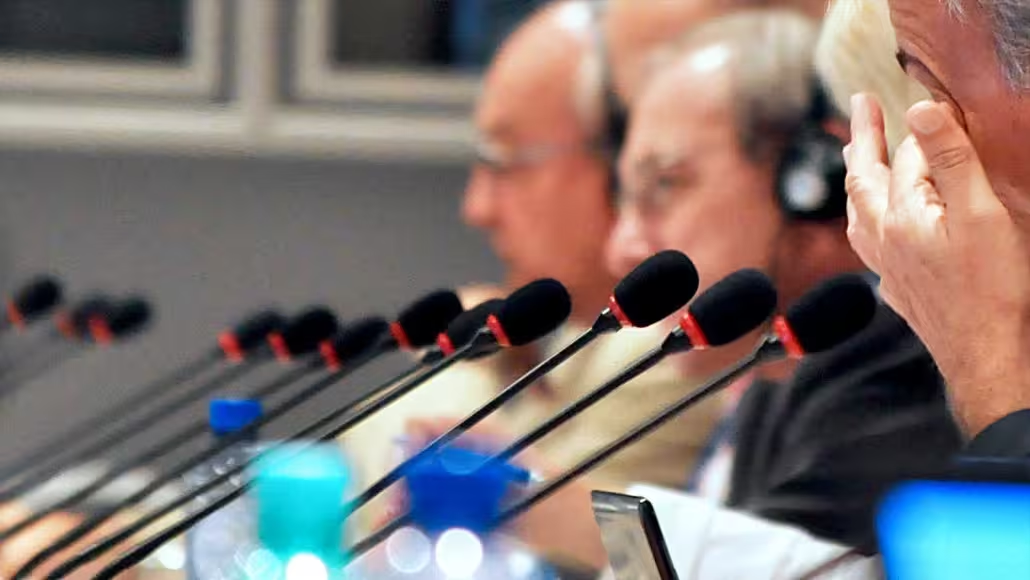
When hosting an international conference, business meeting, or multilingual seminar, bridging the communication gap is essential. That’s where interpretation services step in. But what type do you need, simultaneous or consecutive? Understanding the nuances of each will help you select the most effective solution for your specific event or communication scenario.
Let’s explore the dynamic world of interpretation services and uncover the key distinctions between simultaneous and consecutive interpretation.

What Is Interpretation and Why It Matters in Global Communication
Definition of Interpretation vs. Translation
Although interpretation and translation both involve transferring meaning between languages, they serve distinctly different purposes. Translation refers to the conversion of written content, often performed with time for editing and proofreading. Interpretation, on the other hand, occurs in real-time, converting spoken language from one language to another on the spot.
Types of Interpretation Services
Professional interpretation isn’t one-size-fits-all. Several formats exist to serve varying needs:
Face-to-Face Interpretation
Ideal for direct, in-person conversations, this is often used in hospitals, legal settings, and community centers.
Remote and Phone Interpretation
Phone-based interpretation offers flexibility and affordability, suitable for on-demand multilingual communication.
Video Remote Interpretation (VRI)
Combining visual and audio components, VRI is perfect when visual cues are critical for understanding, such as in medical or legal appointments.
Consecutive Interpretation: A Deep Dive
How Consecutive Interpretation Works
In consecutive interpretation, the speaker talks for a few moments and then pauses. The interpreter listens attentively, takes notes, and delivers the message in the target language. This continues back and forth until the conversation concludes.
When and Where to Use Consecutive Interpretation
It’s most effective in small, structured interactions like:
- Business negotiations
- Legal depositions
- Interviews
- Press conferences
Skills Required for Consecutive Interpreters
Memory and Note-taking Techniques
These interpreters must have sharp memory and masterful note-taking abilities. They often use symbols and shorthand to capture spoken content with minimal distraction.
Pros and Cons of Consecutive Interpretation
| Pros | Cons |
|---|
| No special equipment required | Takes more time than simultaneous |
| Cost-effective | Can interrupt conversational flow |
| Best for small groups | Less suitable for fast-paced dialoguefro |
Simultaneous Interpretation: Real-Time Language Bridging
Mechanics of Simultaneous Interpretation
Unlike consecutive, simultaneous interpretation happens in real-time. The interpreter listens and speaks at nearly the same time, allowing the audience to hear the translated message almost instantly.
Equipment and Technical Setup Needed
Simultaneous interpreting requires:
- Soundproof booths
- Headsets for both interpreters and attendees
- Microphones and audio mixers
These tools are essential for delivering high-quality audio and minimizing distractions.
Ideal Use Cases: Conferences, Summits, and More
This method is perfect for:
- Large international conferences
- Multinational seminars
- Political summits
- Corporate events with diverse audiences
Whisper Interpretation as a Variant
Also known as chuchotage, whisper interpretation suits one or two attendees who need translation. The interpreter quietly whispers the translation to them without interrupting the event flow.
Pros and Cons of Simultaneous Interpretation
| Pros | Cons |
|---|
| Seamless, real-time delivery | Requires technical setup |
| Suitable for large audiences | More expensive |
| Enhances listener engagement | Demands highly trained professionals |
Freelance vs. Agency Interpreters
Specialized Industry Expertise
Professional interpreters often focus on specific fields such as medical, legal, technical, or financial interpretation. This specialization ensures they’re fluent in the relevant jargon, industry nuances, and cultural context, making communication more precise and professional.
Language Pair Proficiency
Most interpreters are fluent in two or more languages, often translating both into and from their native tongue. However, in high-stakes settings like international conferences, interpreters typically work only into their native language to ensure maximum clarity and authenticity.
Certification, Ethics, and Industry Standards
Importance of Certification and Professional Training
While interpretation isn’t universally regulated, obtaining certification signals a commitment to professionalism and accuracy. Reputable training programs equip interpreters with essential skills such as memory enhancement, speech clarity, and ethical conduct.
Global Organizations Setting Interpreter Standards
Some well-known institutions include:
- AIIC (International Association of Conference Interpreters)
- NAJIT (National Association of Judiciary Interpreters & Translators)
- CIOL (Chartered Institute of Linguists)
These bodies provide codes of conduct, ongoing training, and resources to support high-quality interpretation services globally.
Choosing the Right Interpretation Service for Your Event
Event Size and Audience Considerations
For large events or conferences with multilingual audiences, simultaneous interpretation is often the best choice due to its efficiency and ability to serve many people at once. For smaller meetings, interviews, or press events, consecutive interpretation might suffice and be more budget-friendly.
Technical Requirements and Budgeting
Your decision might also hinge on:
- Venue capabilities (Can it support booths and headsets?)
- Interpreter availability (Freelance vs. agency)
- Cost constraints (Simultaneous is usually pricier)
Hiring Checklist for Interpretation Services
- ✅ Language pairs needed
- ✅ Type of event and audience size
- ✅ Required equipment and tech setup
- ✅ Interpreter’s certification and experience
- ✅ Budget and delivery timeline
Benefits of Partnering with Premium Interpretation Providers
Why Choose Premium Lingua
Premium Lingua offers tailored interpretation services with trained professionals in multiple languages and industries. Whether it’s a private legal meeting or a large-scale summit, they deliver precision, clarity, and cultural fluency every time.
Tailored Solutions for All Event Types
Their solutions are scalable and flexible, perfect for:
- Government functions
- Healthcare communications
- Corporate launches
- Legal proceedings
- Technical briefings
Getting a Quote and Planning Your Event
You can easily request a quote on their website and speak with a dedicated coordinator to map out your event’s needs. They handle everything from equipment rental to interpreter selection, ensuring a seamless experience.
FAQs About Interpretation Services
What is the difference between interpretation and translation?
Interpretation deals with spoken language in real time, while translation is about converting written texts. Interpreters need to think on their feet; translators can revise their work.
How do I choose between simultaneous and consecutive interpretation?
Consider your event size, setting, and budget. For large audiences, go with simultaneous. For smaller, more personal events, consecutive works well.
What events require simultaneous interpretation?
Major conferences, political summits, corporate product launches, and international panels often require simultaneous interpretation due to the real-time delivery and audience scale.
Is specialized equipment necessary for consecutive interpretation?
No, consecutive interpretation usually doesn’t require any equipment, which helps keep costs low and logistics simple.
Can interpreters work remotely or over the phone?
Yes. With tools like Zoom, Skype, or specialized VRI platforms, interpreters can provide high-quality services remotely, including over-the-phone interpretation (OPI).
How do I know if an interpreter is qualified?
Check for certifications, field-specific experience, references, and language proficiency tests. Working with an agency like Premium Lingua also guarantees vetted professionals.
Conclusion: Bridging the Language Divide with Professional Interpretation
Understanding the nuances between simultaneous and consecutive interpretation is key to making the right choice for your event. Whether you’re planning a high-level conference or an intimate business meeting, selecting the appropriate interpretation format can make or break your communication success.
With Premium Lingua, you can trust that your multilingual needs are handled by experts who prioritize accuracy, professionalism, and audience engagement. Don’t let language barriers limit your impact bridge the gap and communicate with confidence.